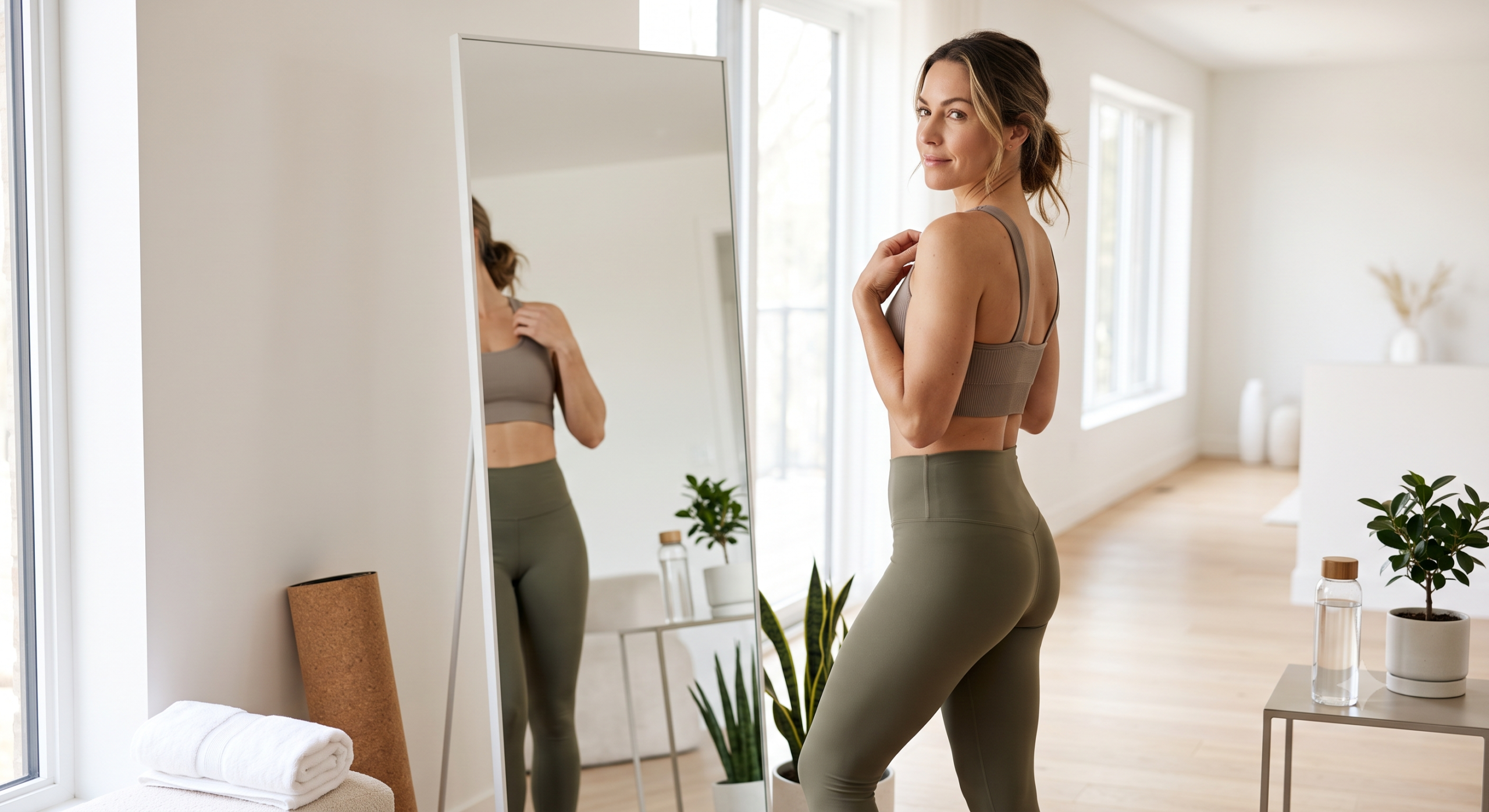
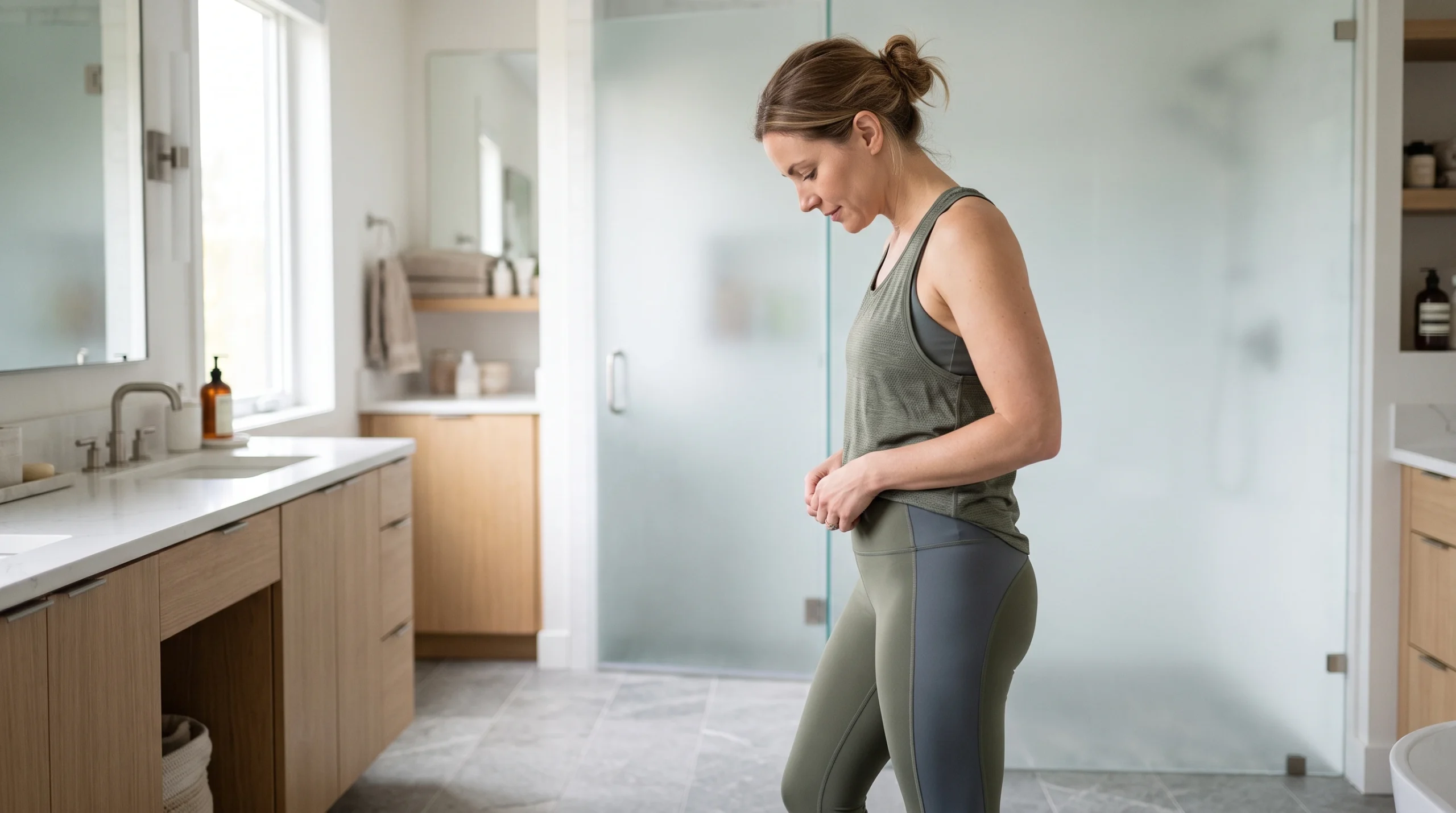
Losing weight is supposed to shrink the parts you want gone, so it stings when the scale drops and the love handles stay put. Plenty of people reach their goal weight only to find the soft fullness along the sides of the waist looking much as it did before. The effort paid off everywhere except the one place they were watching. This is a common outcome, and it owes more to biology than to anything left undone.
Love handles are subcutaneous fat that settles over the flanks, and the body has firm ideas about when it will let that fat go. This piece explains what love handles actually are, why they so often survive weight loss, why targeted exercise fails to shift them, and what does reduce them once diet has taken you as far as it can. The goal is a realistic map, so the next step is an informed one rather than another frustrating lap of the same approach.
What are love handles, exactly?
Love handles are pockets of subcutaneous fat that sit over the flanks, the area along the sides of the waist just above the hips. Subcutaneous fat is the soft layer directly beneath the skin, a separate thing from the deeper visceral fat that wraps around the organs. The flanks are one of the spots where the body readily stores this softer fat, and one of the places it likes to keep it.
What reads as a love handle is usually fat, though skin and posture play a part in how prominent it looks. After significant weight loss, loose skin over the flank can create fullness even where the fat has already thinned, and the natural curve of the iliac crest beneath can add to the impression. Working out how much of the fullness is fat and how much is skin is the first useful step, because the answer points toward different solutions.
Why do love handles survive weight loss?
When you lose weight, fat cells across the body release their stored contents and shrink. What that process will not do is let you choose where the shrinking happens. The body draws down its reserves in a sequence set largely by genetics and hormones, and the flanks are frequently near the end of that queue. So the waistline can hold its softness even as the face and limbs slim noticeably.
Part of the resistance is written into the fat tissue itself. Deposits in stubborn areas carry a higher share of alpha-2 adrenergic receptors, which slow the release of stored fat, paired with a modest blood supply that carries less of it away once it is freed. Those deposits answer sluggishly to the same signals that empty fat from easier areas, so they give way last and least. Sex hormones shape the pattern too, which is why fat distribution shifts with age and, for women, after menopause. The mechanics behind this stubbornness apply well beyond the waist, and we cover them across the body in our piece on the stubborn fat pockets that diet and exercise won’t fix.
There is a pattern to where the body prefers to keep this reserve. Men bank fat around the abdomen and flanks from the outset, which is why love handles are such a common male complaint even at a lean weight. Women store more around the hips and thighs for much of adult life, then shift toward the middle after menopause as estrogen falls away. Stress hormones nudge the body in the same direction, since cortisol encourages fat to settle around the waist. None of this bends to willpower, and none of it shows up on a calorie tracker.
Does targeted exercise get rid of love handles?
Side bends and oblique twists build the muscles under the love handles without burning the fat that covers them. The idea behind spot reduction, that working a muscle draws fat from the skin above it, falls apart when it is tested. The fat sitting over a region and the muscle beneath it answer to different signals, so training one leaves the other largely unchanged.
What the research shows In a controlled study published in the Journal of Strength and Conditioning Research, participants performed seven abdominal exercises five days a week for six weeks. At the end, there was no significant change in abdominal fat or waist measurements compared with a group that did no abdominal work at all. Strengthening the muscle did nothing to the fat sitting on top of it. |
Exercise still does plenty of good for overall health and for whole-body fat loss. Crunches aimed at the love handles are simply the wrong tool for that particular job. General fat loss can slim the flanks along with everything else, yet it cannot be steered there on purpose.
Is it fat, loose skin, or both?
Before choosing a treatment, it helps to know what is actually creating the fullness, since fat and skin call for different fixes. The distinction is easy to miss, and it changes the plan entirely.
What you are seeing | Likely cause | What tends to help |
|---|---|---|
Firm, pinchable fullness with taut skin | A subcutaneous fat pocket | Fat reduction |
Softer fullness with skin that folds or crepes | Fat together with loose skin | Fat reduction paired with skin tightening |
Loose, thin skin with little to pinch | Skin laxity after weight loss | Skin tightening |
Weight loss itself can leave skin behind. When a good deal of fat departs an area, the skin that housed it may not fully retract, particularly after larger losses or past a certain age. In that case the flank can look loose or crepey rather than smooth, and reducing more fat would only make it looser. Reading the skin correctly is what keeps a treatment from solving the wrong problem.
Are love handles a health problem?
It helps to separate the fat behind love handles from the fat that carries medical weight. The soft, pinchable layer over the flanks is subcutaneous fat, which sits just under the skin and is largely a cosmetic matter. The fat that raises real concern is visceral fat, the deeper kind that packs around the organs and drives metabolic risk. The encouraging part is that visceral fat responds well to diet and exercise, so those efforts pay off where it counts most. The subcutaneous pocket that lingers at the waist is usually the harmless kind, which is exactly why it is better matched to a targeted treatment than to another month of restriction.What actually reduces love handles?
Since diet works on the size of fat cells rather than their number or their location, a stubborn flank pocket usually needs a treatment aimed at that pocket directly. This is the purpose of body contouring and sculpting in Sylvania and Bloomfield Hills, a category built to reduce fat in a defined area rather than across the whole body. The right choice depends on the size of the deposit and the condition of the skin around it.| Approach | How it works | Best suited to |
|---|---|---|
| Non-surgical fat reduction | Targets and reduces fat cells in a defined area with little downtime | Small, firm love-handle pockets |
| Minimally invasive contouring | Reduces fat while tightening the overlying skin using radiofrequency energy | Pockets paired with mild skin laxity |
| Liposuction | Physically removes fat from the area in a single session | Larger or denser flank deposits |
| Skin tightening | Firms loose or crepey skin once fat is reduced | Laxity with little fat left |
How do you know which treatment you need?
No single method suits every love handle, and the match matters more than the brand name. A couple of honest checks point toward the right one.- Start from a stable weight. Body contouring refines a shape rather than standing in for weight loss, and it works best once diet and exercise have taken you close to your goal, with the flanks as the last thing in the way. Significant weight regain afterward can enlarge the fat cells that remain in untreated areas.
- Let the skin guide the plan. Firm, elastic skin over a fat pocket may need nothing more than fat reduction, while skin that has loosened after weight loss usually calls for tightening alongside it. A provider judges this in person, since it is hard to assess from the outside.
| A realistic expectation Love handles hold on after weight loss because the flanks are one of the last places the body agrees to release fat, not because the effort fell short. Diet and exercise shrink fat cells everywhere at once and cannot be pointed at a single spot, which is why the waistline lingers. A treatment matched to the pocket, and to the skin around it, is what closes the gap between the work already done and the result you were after. |
Frequently Asked Questions
Why do my love handles remain even though I lost weight?
Because the body sheds fat in a genetically set order, and the flanks are often last in line. Weight loss shrinks fat cells across the body without letting you choose where, so a stubborn pocket can stay soft even at your goal weight.
Can I target love handles with side bends or oblique workouts?
No. Those moves strengthen the muscles under the fat without burning the fat on top. Spot reduction has not held up in controlled testing, so the flank fat needs a different approach.
Is a love handle fat or loose skin?
It can be either, and often it is some of both, especially after larger weight loss. Firm, pinchable fullness is usually fat, while thin skin that folds points to laxity. A consultation sorts out the mix, which decides the treatment.
Will the fat come back after treatment?
Treatments that reduce the number of fat cells in an area make the treated pocket less likely to return at a stable weight. Substantial weight gain can still enlarge the fat cells that remain elsewhere, so holding your weight steady protects the result.
Which treatment is right for me?
That depends on the size of the pocket and the state of the skin around it. A firm pocket on springy skin may need only fat reduction, while looser skin calls for tightening as well. A provider assesses both in person.
Is there much downtime?
It varies by approach. Non-surgical fat reduction often involves little to no downtime, while liposuction needs a recovery period. Your provider will explain what to expect for the option that suits you.
Final thoughts
A love handle that outlasts a diet is rarely a sign of anything left undone. It is usually just the place the body chose to hold its reserve, and no volume of side bends will negotiate it away. What works is a treatment aimed at the pocket itself, chosen to match both the fat and the skin around it, once the weight is steady. If the sides of your waist have outlasted everything you have tried, the team at iBeauty Med Spa can help you weigh the options in Sylvania or Bloomfield Hills.
Book a consultation to find out which approach fits your body and your goals.