You are not alone if you have wondered whether a laser treatment can finally address deep acne scars once and for all. Acne scarring can stay long after the blemishes themselves have faded, leaving texture irregularities, shadows, and dents that skincare products alone struggle to improve.
With advances in laser technology, particularly the HELIX CO₂ laser platform, the promise of meaningful acne scar improvement is more real than ever. But can it truly erase deep acne scars? In this honest, in-depth guide, we explore what CO₂ laser resurfacing can and cannot do, how it works, who it helps most, and what to realistically expect from treatment.
At iBeauty Medical, our approach is grounded in science, clinical experience, and realistic patient expectations. We believe in empowering you with clear information so you can choose the path that is best for your skin.
What Causes Acne Scars
Acne scars form when deep inflammation damages the tissues below the skin’s surface. Rather than healing smoothly, some wounds retract or overproduce collagen, leading to:
Indented or atrophic scars
- Ice-pick scars
• Boxcar scars
• Rolling scars
Raised or hypertrophic scars
- Thick and elevated scars
- Keloid formations
The deeper and more disruptive the acne lesion, the more likely it is to leave a persistent textural change. These scars are not superficial surface issues: they involve the deeper layers of the dermis.
How CO₂ Laser Resurfacing Works
CO₂ lasers are among the most effective energy-based tools for skin resurfacing. They work by delivering precise, targeted energy that removes layers of damaged skin and stimulates the body’s healing response.
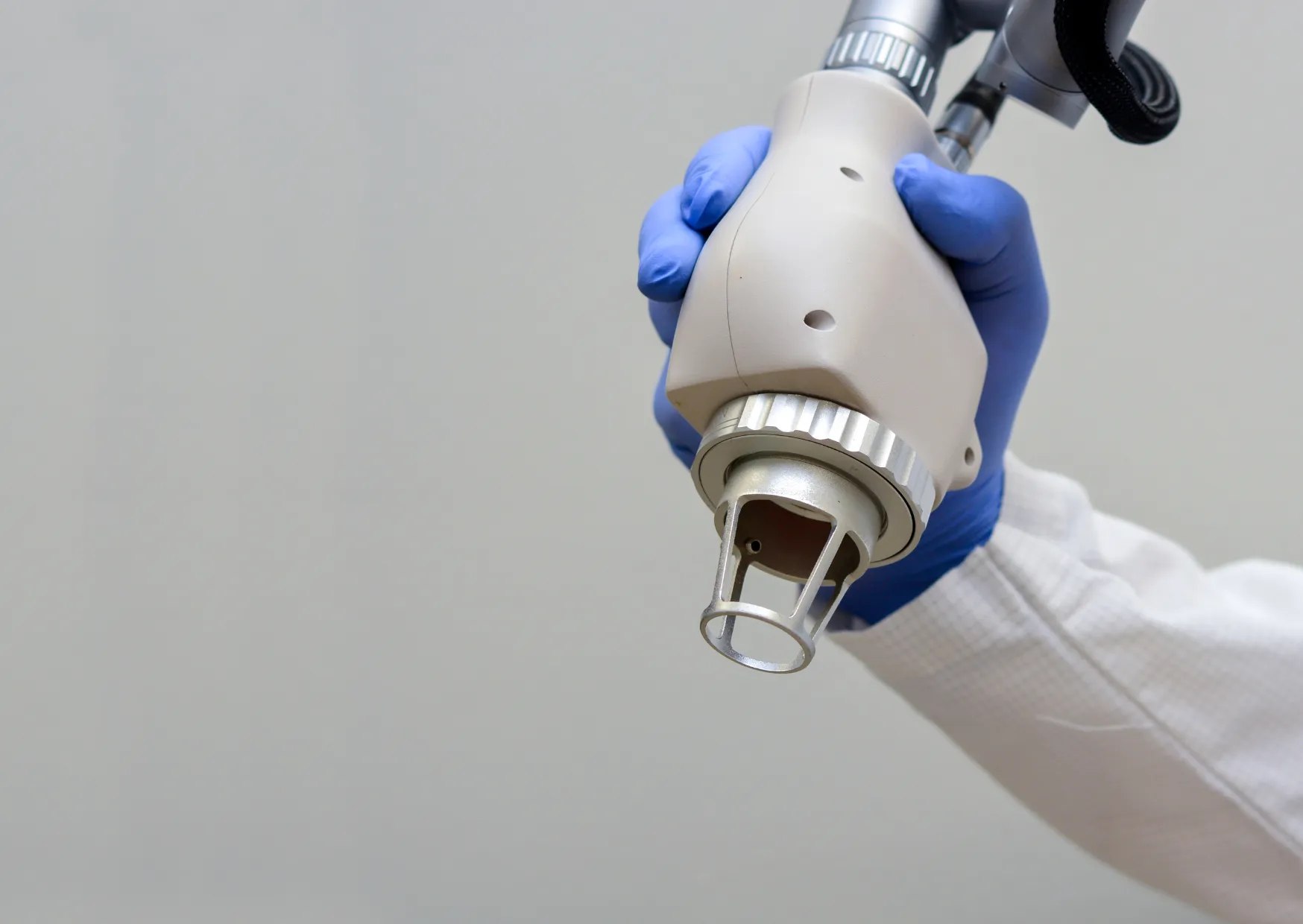
The HELIX CO₂ laser system is particularly well-suited to acne scars because it can be precisely adjusted to treat specific depths within the skin. For a full overview of the HELIX platform and how it works, visit our HELIX CO₂ Laser page.
The basic goal of CO₂ resurfacing is two-fold:
- Remove damaged or irregular surface skin
• Stimulate new collagen and elastin production
These combined effects help smooth and remodel scarred tissue over time.
Can CO₂ Laser Truly Erase Deep Acne Scars?
The short answer: CO₂ lasers are among the most powerful non-surgical tools for improving deep acne scars, but “erase” is rarely the right word.
Here’s why:
CO₂ Laser Can Significantly Improve Acne Scars
CO₂ lasers remove microscopic columns of tissue, prompting the body to rebuild healthier, more uniform collagen.
Over a series of treatments, this process can:
- Reduce the depth of indented scars
• Improve texture and smoothness
• Soften shadowing
• Shrink the appearance of pits and irregular contour
For many patients with moderate to deep scarring, this translates into dramatic visible improvement that cannot be achieved with topical products or gentle resurfacing alone.
CO₂ Laser Does Not Fully Erase Scars in Every Case
Deep acne scars are structural changes to the skin. While CO₂ resurfacing remodels scar tissue, the process does not always completely eliminate every indentation.
The extent of improvement depends on:
- Scar depth and type
• Skin thickness and healing ability
• Treatment energy and pattern
• Number of sessions
In other words, CO₂ laser can be transformative, but as with many advanced treatments, results vary.
HELIX CO₂ Laser Settings and Acne Scars
One of the strengths of the HELIX CO₂ laser system is its customizability. Different treatment modes allow us to dial in a depth and intensity appropriate to the individual’s scarring pattern.
Some of the modes on the HELIX system include:
- CoolPeel® – Superficial resurfacing with minimal downtime
• Sultra – Deeper resurfacing appropriate for more significant texture issues
• Fusion – Combined deep and superficial treatment
To learn how CoolPeel compares to other HELIX modes, our comparison blog details the differences.
For deep acne scars, deeper settings than CoolPeel are often considered. These deeper passes promote more robust collagen remodeling at the scar level. However, deeper treatment may involve longer recovery. Your provider will help determine the right approach for you.
Who Is a Good Candidate for CO₂ Acne Scar Treatment
Not every acne scar is the same, and not every patient will benefit from the same treatment plan.
Ideal candidates generally:
- Have moderate to deep atrophic (indented) acne scars
• Are in overall good health
• Do not have active acne breakouts
• Have realistic expectations
• Are prepared for a recovery period
CO₂ laser treatments are more advanced than superficial peels or microdermabrasion. A proper evaluation ensures that the treatment plan is tailored to your unique skin.
What to Expect During Treatment
Preparation
Before your session, your provider will cleanse your skin, and may apply a topical numbing agent if needed. Some patients choose oral medication for comfort, especially with deeper settings.
The Treatment
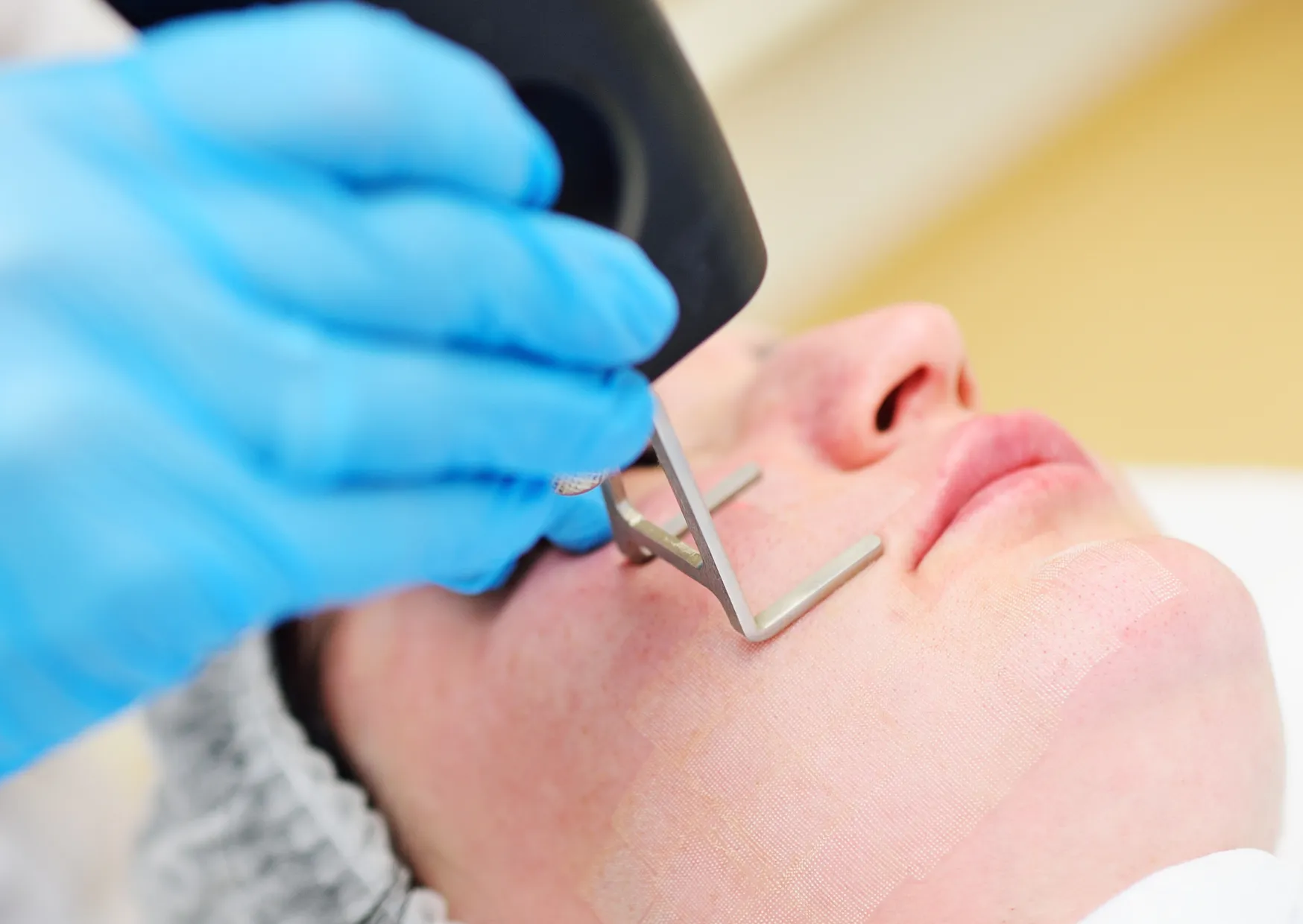
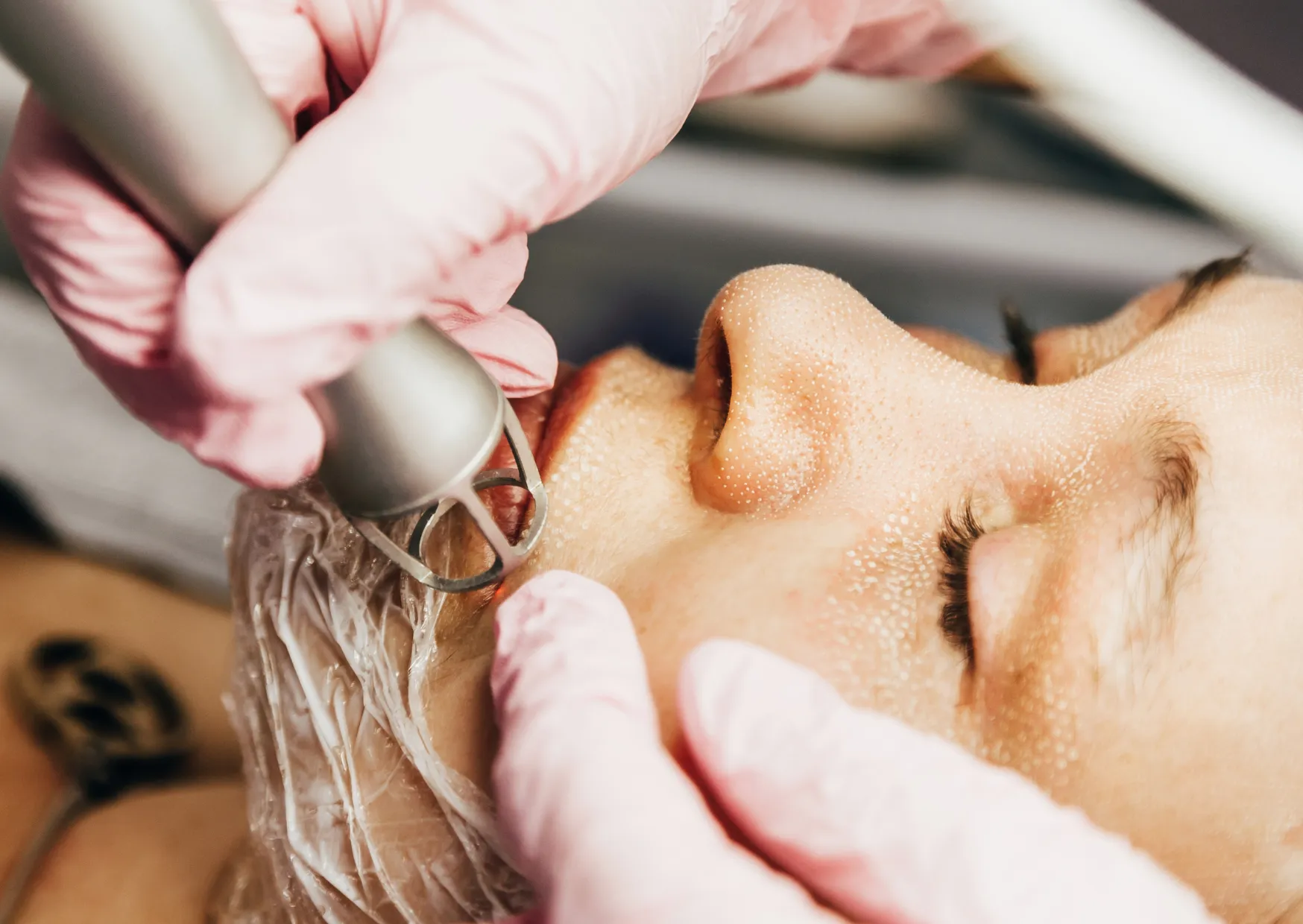
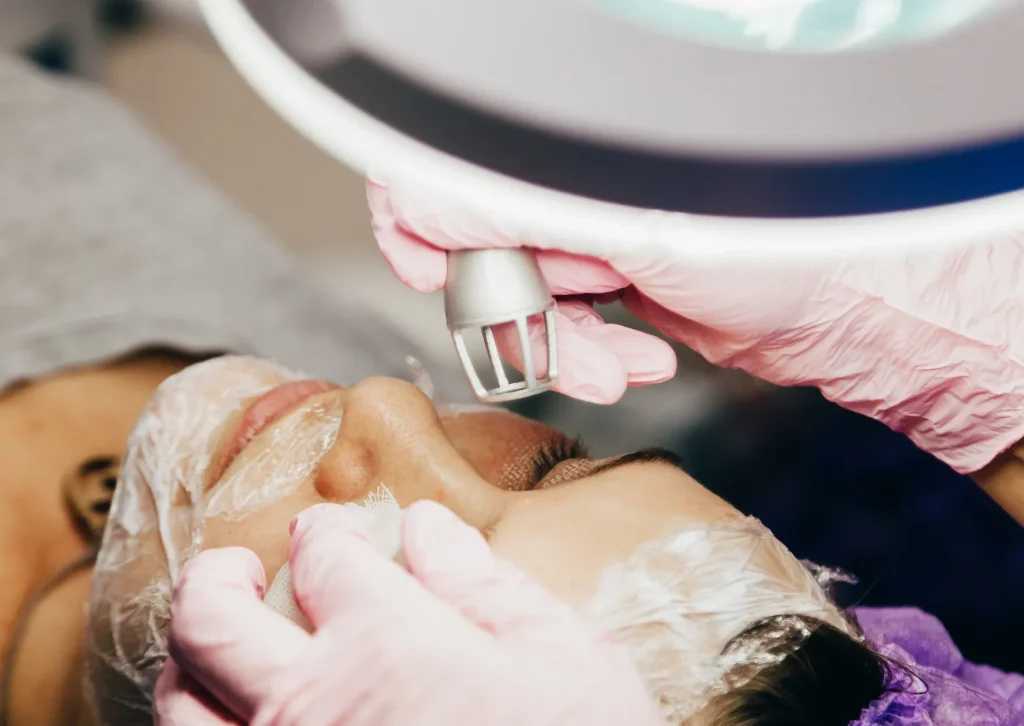
During the procedure, the laser handpiece is passed over the target areas. You may feel:
- Warmth
• Mild snapping sensation
• Tingling
Sessions vary in length but are typically between 30 and 60 minutes, depending on the area treated.
Many patients find the experience very tolerable, especially with numbing.
You are not alone if you have wondered whether a laser treatment can finally address deep acne scars once and for all. Acne scarring can stay long after the blemishes themselves have faded, leaving texture irregularities, shadows, and dents that skincare products alone struggle to improve.
With advances in laser technology, particularly the HELIX CO₂ laser platform, the promise of meaningful acne scar improvement is more real than ever. But can it truly erase deep acne scars? In this honest, in-depth guide, we explore what CO₂ laser resurfacing can and cannot do, how it works, who it helps most, and what to realistically expect from treatment.
At iBeauty Medical, our approach is grounded in science, clinical experience, and realistic patient expectations. We believe in empowering you with clear information so you can choose the path that is best for your skin.
What Causes Acne Scars
Acne scars form when deep inflammation damages the tissues below the skin’s surface. Rather than healing smoothly, some wounds retract or overproduce collagen, leading to:
Indented or atrophic scars
- Ice-pick scars
• Boxcar scars
• Rolling scars
Raised or hypertrophic scars
- Thick and elevated scars
- Keloid formations
The deeper and more disruptive the acne lesion, the more likely it is to leave a persistent textural change. These scars are not superficial surface issues: they involve the deeper layers of the dermis.
How CO₂ Laser Resurfacing Works
CO₂ lasers are among the most effective energy-based tools for skin resurfacing. They work by delivering precise, targeted energy that removes layers of damaged skin and stimulates the body’s healing response.
The HELIX CO₂ laser system is particularly well-suited to acne scars because it can be precisely adjusted to treat specific depths within the skin. For a full overview of the HELIX platform and how it works, visit our HELIX CO₂ Laser page.
The basic goal of CO₂ resurfacing is two-fold:
- Remove damaged or irregular surface skin
• Stimulate new collagen and elastin production
These combined effects help smooth and remodel scarred tissue over time.
Recovery After CO₂ Acne Scar Resurfacing
Because deeper laser settings are used for significant acne scars, recovery is more involved than lighter treatments.
Initial Phase (Days 1–3)
- Redness and swelling
• Warmth or tightness
• Mild oozing or crusting
Intermediate Phase (Days 3–7)
- Flaking and peeling
• Pinkness that gradually fades
• Sensitivity to touch
Later Phase (Weeks 1–3)
- Improved texture
• Collagen remodeling begins
• Pinkness continues to fade
Your provider will give you specific aftercare instructions, which often include gentle cleansing, barrier healing ointments, and sun protection.
Because this is an advanced resurfacing treatment, planning recovery around your schedule is important.
Realistic Outcomes
After healing, most patients notice:
- Smoother overall texture
• Less noticeable indentations
• More even tone
• Softer shadows
For many patients, the improvement is substantial and confidence-boosting. However, even after optimal laser treatment, some scarring may remain. The goal of CO₂ laser treatment is to maximize improvement, not to promise perfection.
Multiple sessions spaced over time often produce the best result.
Combining CO₂ Laser With Other Treatments
Enhanced results often come from a multimodal approach. Acne scar treatment may integrate:
Stimulates collagen and improves texture from another angle.
Cause immediate elevation for certain types of depressed scars.
Combining approaches in the right order enhances overall improvement without compromising safety.
Your provider at iBeauty Medical will recommend a plan tailored to you.
Safety and Skin Type Considerations
CO₂ resurfacing is highly effective but not without considerations. Healing response, risk of pigmentation changes, and sensitivity vary by:
- Skin type
• Scar type
• Medical history
A thoughtful, personalized treatment plan is essential for both safety and outcome.
How Many Treatments Are Typically Needed
Because CO₂ remodeling targets deep tissue changes, enhancement often comes from a series of treatments.
Depending on scar severity:
- 1 to 3 treatments may be recommended
• Sessions spaced 6–8 weeks apart
Deeper scars often require more than one session to achieve desirable improvement.
FAQs about HELIX CO₂ Laser Modes
Is CO₂ laser the best option for deep acne scars
CO₂ lasers like HELIX are among the most effective non-surgical tools for significant acne scar improvement, especially when combined with other modalities.
Will CO₂ laser erase all scars completely
Laser dramatically improves texture, but no non-surgical treatment can guarantee complete erasure of every scar.
Is treatment painful
Most patients tolerate the procedure well with numbing. Discomfort is brief and manageable.
How long before I see results
Texture improvement begins as healing completes. Collagen remodeling continues over weeks to months.
Can all skin tones receive CO₂ treatment
Yes, but careful settings and healing plans are critical to minimize risk of pigmentation changes, especially in darker skin tones.
Should You Consider CO₂ Laser for Your Acne Scars
If deep acne scars are a persistent concern, CO₂ laser resurfacing is one of the most powerful non-surgical options available. It is not a quick fix, and it requires commitment, but the improvement can be meaningful.
The key to exceptional outcomes is a customized plan, thoughtful expectation setting, and expert delivery.
If you are ready to explore whether the HELIX CO₂ laser is right for your scars, we are here to help.
Book your personalized consultation today.
At iBeauty Medical, we guide every patient with honesty, expertise, and an unwavering focus on your unique skin goals.