
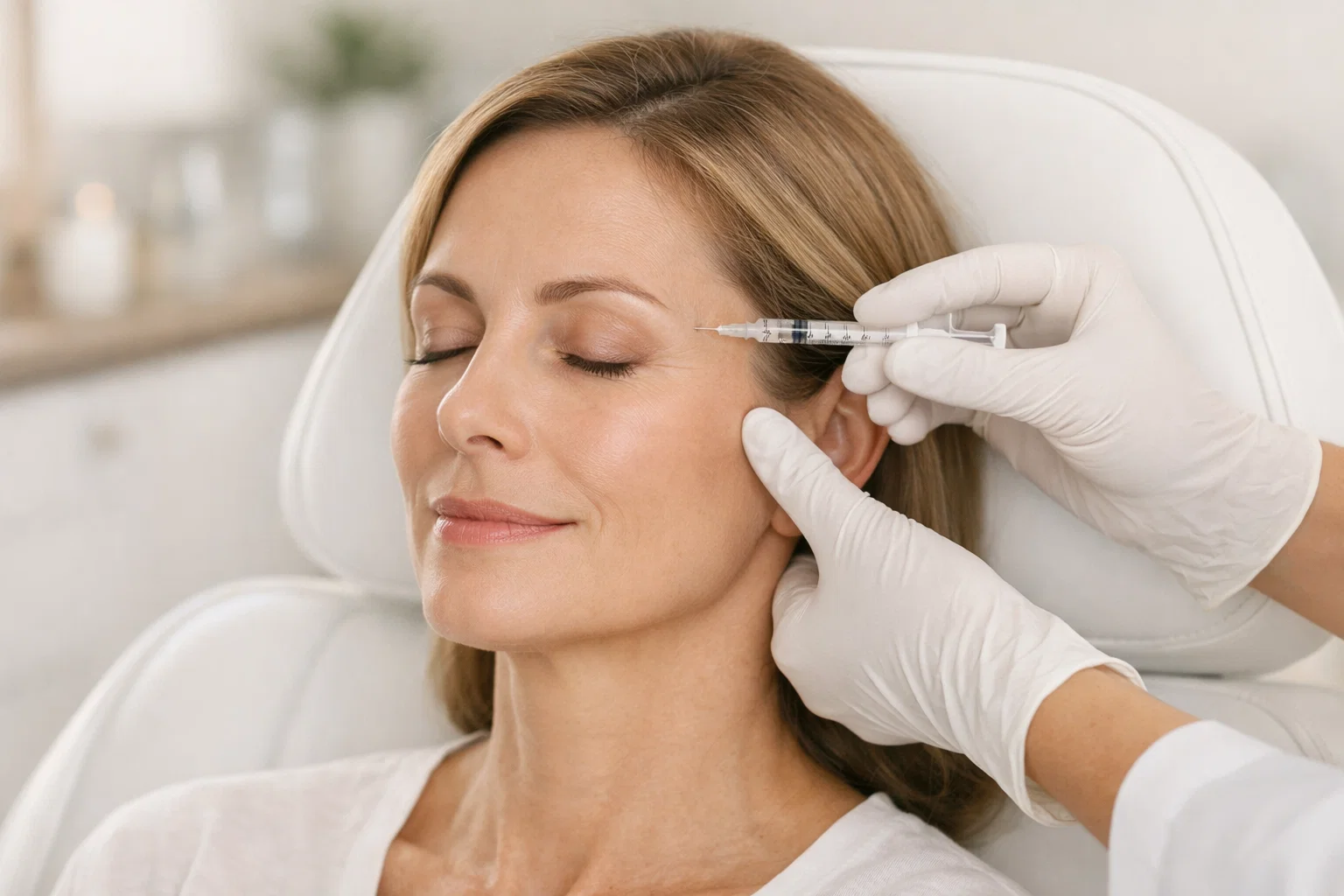
Chronic migraines affect every part of daily life. The relentless cycle of pain, sensitivity, and exhaustion can limit work, relationships, and the ability to enjoy ordinary moments. For those who experience fifteen or more headache days per month, the search for relief often feels endless.
Botox for migraines has emerged as one of the most effective preventive treatments available today. Originally recognized for its cosmetic applications, onabotulinumtoxinA (Botox) received FDA approval for chronic migraine prevention in 2010. Since then, it has helped countless patients reclaim days that were previously lost to debilitating headaches.
What are Chronic Migraines
Migraines are far more than severe headaches. They involve complex neurological changes that affect the brain, nerves, and blood vessels. Chronic migraine is defined as experiencing headaches on fifteen or more days per month, with at least eight of those days involving migraine features such as moderate to severe pain, nausea, or sensitivity to light and sound.
Unlike episodic migraines that come and go, chronic migraines create a near constant state of vulnerability. Many patients describe living in fear of the next attack, never knowing when symptoms will strike or how long they will last. The condition affects approximately 1 to 2 percent of the global population, with women being three times more likely to experience chronic migraine than men.
The Difference Between Episodic and Chronic Migraine
Understanding where you fall on the migraine spectrum matters for treatment decisions. Episodic migraine involves fewer than fifteen headache days per month. These patients may go days or weeks between attacks, and acute medications often provide sufficient relief.
Chronic migraine represents a more severe and persistent condition. The near daily presence of head pain fundamentally changes how patients approach treatment. Prevention becomes essential rather than optional because reactive treatment alone cannot keep up with the frequency of attacks.
Many chronic migraine patients started with episodic migraine that gradually worsened over time. This progression, called chronification, can result from medication overuse, inadequate treatment of acute attacks, stress, sleep disorders, or other factors. Recognizing and addressing chronic migraine early helps prevent further progression and improves treatment outcomes.
Why Traditional Treatments Fall Short
Traditional migraine medications fall into two categories: acute treatments that address pain once it starts, and preventive medications taken daily to reduce frequency.
Acute medications include triptans, NSAIDs, and combination analgesics. While effective for individual attacks, relying solely on acute treatment creates problems for chronic migraine patients. Using these medications more than two to three days per week can actually cause medication overuse headache, worsening the overall pattern.
Daily preventive medications include beta blockers, antidepressants, and anticonvulsants. For many chronic migraine sufferers, these pills provide incomplete relief or cause side effects that limit quality of life. Weight gain, fatigue, cognitive fog, and mood changes lead many patients to discontinue preventive medications despite ongoing headaches.
This is where Botox offers a different approach.
How Botox for Migraines Works
The Science Behind the Treatment
Botox works differently for migraines than it does for wrinkles. When used cosmetically, Botox relaxes facial muscles to smooth expression lines. You can learn more about cosmetic applications on our Botox Toledo & Bloomfield Hills page. When used for migraine prevention, it targets sensory nerve pathways involved in headache development.
The mechanism involves blocking the release of certain neurotransmitters that carry pain signals from the peripheral nervous system to the brain. By interrupting this communication at specific points around the head and neck, Botox reduces the frequency and severity of migraine attacks before they fully develop.
Research suggests that Botox inhibits the release of calcitonin gene related peptide (CGRP) and substance P, both of which play key roles in migraine pathophysiology. CGRP in particular has become a major focus of migraine research, as elevated levels are found during migraine attacks and appear to trigger the cascade of events leading to head pain.
This preventive action occurs over time, which is why patients typically need multiple treatment sessions to experience full benefits. The cumulative effect of blocking pain signal transmission at multiple nerve endings creates a protective effect that builds with each treatment cycle.
Targeted Injection Sites
The FDA approved protocol for chronic migraine involves 31 injections across seven specific muscle groups in the head and neck:
- Frontalis (forehead) – 4 injection sites
- Corrugator (between eyebrows) – 2 injection sites
- Procerus (bridge of nose) – 1 injection site
- Occipitalis (back of head) – 6 injection sites
- Temporalis (temples) – 8 injection sites
- Trapezius (upper shoulders) – 6 injection sites
- Cervical paraspinal (back of neck) – 4 injection sites
Each injection delivers a small, precise dose of onabotulinumtoxinA to areas where pain signals commonly originate or travel. The pattern was developed through extensive clinical trials and is designed to provide comprehensive coverage of the most common migraine trigger zones.
Some providers also customize injection patterns based on individual patient symptoms, adding sites according to where pain tends to concentrate. A patient who consistently experiences pain behind one eye, for example, might receive additional targeted injections in that region.
Who Is a Candidate for Botox Migraine Treatment
Botox for migraines is specifically approved for adults with chronic migraine, defined as fifteen or more headache days per month with headaches lasting four or more hours per day. This definition comes directly from FDA approval criteria and helps distinguish patients most likely to benefit from treatment.
Ideal candidates typically include those who have tried other preventive medications without adequate relief, cannot tolerate daily oral medications due to side effects, prefer a treatment that does not require daily dosing, and are committed to ongoing treatment sessions every twelve weeks.

Medical Considerations
Botox is not recommended for episodic migraine, which involves fewer than fifteen headache days per month. Clinical trials did not demonstrate significant benefit for patients with fewer headache days, and insurance coverage typically requires documentation of chronic migraine status.
It is also not a treatment for tension headaches, cluster headaches, or other headache types unrelated to migraine. Accurate diagnosis ensures appropriate treatment selection.
Certain medical conditions may affect candidacy. Patients with neuromuscular disorders such as myasthenia gravis or Lambert Eaton syndrome face increased risk of muscle weakness and should avoid botulinum toxin products. Allergies to any component of the formulation, including human albumin, represent absolute contraindications.
Active skin infections at planned injection sites require treatment before Botox can be administered safely. Pregnancy and breastfeeding are also contraindications, as the effects of botulinum toxin on fetal development have not been adequately studied.
A thorough consultation helps determine whether Botox is the right choice based on your headache pattern, medical history, and treatment goals.
What to Expect During Treatment
Before Your Session
Preparation for Botox migraine treatment is straightforward. Most providers recommend avoiding blood thinning medications and supplements for several days before treatment to minimize bruising. Common items to pause include aspirin, ibuprofen, fish oil, vitamin E, and certain herbal supplements. Always check with your prescribing physician before stopping any medication.
Arriving with clean skin and without heavy hair products makes the procedure easier, particularly for injections at the back of the head and neck. Wear a comfortable top with a low neckline to allow easy access to shoulder injection sites.
Bring a detailed headache diary if you have one. This information helps your provider understand your migraine patterns and track improvements over time. Many patients use smartphone apps to log headache days, intensity levels, triggers, and medication use.
The Injection Process
The treatment itself takes approximately fifteen to twenty minutes. Using a very fine needle, your provider administers small amounts of Botox into each designated site. Most patients describe the sensation as brief pinching or stinging that resolves immediately.
The forehead and temple injections tend to feel like tiny pricks. Neck and shoulder injections may feel slightly deeper but remain tolerable for most patients. The entire session involves 31 injections, but each injection takes only seconds.
Ice or topical numbing cream can be applied beforehand if you are sensitive to injections, though many patients find this unnecessary. The procedure is performed in an office setting and requires no sedation or anesthesia. You remain fully alert and comfortable throughout.
Immediately After Treatment
You can return to most normal activities right away. Some patients experience mild tenderness, small bumps at injection sites, or temporary tightness in treated areas. These effects typically resolve within a few hours to a day.
Avoid rubbing or massaging the treated areas for twenty four hours. This precaution prevents the Botox from migrating to unintended muscles. Stay upright for at least four hours after treatment and avoid strenuous exercise, hot yoga, or saunas for the remainder of the day.
Some patients notice a mild headache in the hours following treatment. This is not unusual and typically resolves with over the counter pain relief. Paradoxically, you may need to treat a headache right after receiving migraine prevention treatment, but this does not indicate the treatment will not work.
Benefits of Botox for Chronic Migraines
Clinical studies demonstrate significant benefits for chronic migraine sufferers who receive Botox treatment consistently. The landmark PREEMPT trials, which led to FDA approval, followed patients through multiple treatment cycles and documented measurable improvements across several outcome measures.
Comparing Botox to Other Migraine Preventives
|
Treatment Type |
Dosing |
Avg. Headache Day Reduction |
Common Side Effects |
Best For |
|
Botox |
Injections every 12 weeks |
8-9 fewer days/month |
Neck pain, injection site soreness |
Patients who prefer non-daily treatment |
|
Topiramate |
Daily oral pill |
6-7 fewer days/month |
Cognitive fog, weight loss, tingling |
Patients comfortable with daily medication |
|
Propranolol |
Daily oral pill |
4-5 fewer days/month |
Fatigue, low blood pressure, cold extremities |
Patients with coexisting anxiety or high blood pressure |
|
CGRP Inhibitors |
Monthly or quarterly injection |
6-8 fewer days/month |
Injection site reactions, constipation |
Patients who have not responded to other preventives |
|
Amitriptyline |
Daily oral pill |
4-5 fewer days/month |
Drowsiness, dry mouth, weight gain |
Patients with coexisting depression or insomnia |

What the Research Shows
Reduced headache days represent the most meaningful outcome for most patients. On average, patients experience eight to nine fewer headache days per month after two treatment cycles. For someone who previously suffered twenty headache days monthly, this reduction can be life changing. Some patients see even greater improvement, with reductions of twelve or more headache days monthly.
Decreased migraine intensity often accompanies frequency reduction. Even when headaches occur, many patients report that attacks are shorter, less severe, and more responsive to acute medications. This means fewer hours lost to lying in a dark room, fewer doses of rescue medication needed, and less disruption to daily life.
Improved quality of life follows naturally. With fewer days lost to migraines, patients can participate more fully in work, family activities, and personal interests. The psychological burden of constant pain and unpredictability begins to lift. Many patients describe feeling like themselves again for the first time in years.
Unlike daily oral medications, Botox requires treatment only once every twelve weeks. This convenience appeals to patients who prefer not to take pills daily or who struggle with medication adherence. There are no daily reminders, no prescription refills to manage between appointments, and no risk of forgetting a dose.
Safety and Risk Considerations
Botox has an extensive safety record spanning decades of medical and cosmetic use. The FDA first approved botulinum toxin for medical use in 1989, and millions of treatments have been administered since then. When administered by a trained provider following established protocols, serious complications are rare.
Common Side Effects
Most side effects are mild and temporary. The most frequently reported effects include:
- Neck pain or stiffness, particularly in the days following treatment
- Injection site discomfort, including small bumps or bruising
- Temporary headache immediately following treatment
- Muscle weakness in treated areas, which resolves as the Botox wears off
- Fatigue or flu like symptoms in some patients
These effects typically resolve within days to weeks and do not require medical intervention. Staying well hydrated and getting adequate rest after treatment may help minimize discomfort.
Less Common Side Effects
Drooping eyelids can occur if Botox migrates from forehead injection sites to the muscles that lift the eyelid. This happens infrequently, affecting approximately 2 to 4 percent of patients in clinical trials. The effect is temporary and resolves as the Botox wears off over weeks. Proper injection technique significantly reduces this risk.
Difficulty swallowing has been reported rarely with neck injections. Patients with smaller neck muscles or those receiving higher doses may be more susceptible. Symptoms are typically mild and resolve within weeks.
Serious allergic reactions are extremely rare but require immediate medical attention. Signs include difficulty breathing, swelling of the face or throat, widespread rash, and rapid heartbeat. Seek emergency care if these symptoms develop.
Choosing the Right Provider
Choosing an experienced provider who understands proper injection technique and dosing significantly reduces risk. Migraine Botox requires specific training beyond cosmetic injection certification. Ask about your provider’s experience with chronic migraine treatment specifically, not just cosmetic Botox.
At iBeauty Medical, neurotoxin treatments are performed by trained professionals who prioritize both safety and results. Our team understands the unique considerations involved in treating chronic migraine and follows FDA approved protocols for injection site placement and dosing.
Realistic Expectations and Timeline
Understanding the timeline for results helps set appropriate expectations and prevents premature discouragement.
Month by Month Progress
Botox for migraines does not provide immediate relief. The preventive mechanism takes time to develop as the neurotoxin blocks pain signal transmission at multiple nerve endings.
Weeks 1 through 2: Most patients notice little change during this period. The Botox is beginning to take effect at the neuromuscular junction, but the cumulative protective effect has not yet developed. Continue using your regular acute medications as needed.
Weeks 3 through 4: Some patients begin noticing subtle improvement. Headaches may feel slightly less intense or slightly less frequent. Others notice no change yet. Both responses are normal.
Weeks 5 through 10: This is when many patients experience more noticeable improvement. Headache days may decrease, and the headaches that do occur may feel more manageable.
Weeks 11 through 12: As you approach your next treatment session, some patients notice the protective effect beginning to wane. This is expected, as Botox gradually wears off. Staying on schedule with treatments prevents headache patterns from returning fully.
Building Results Over Time
Meaningful reduction in headache frequency typically becomes apparent after two to three treatment cycles. This means optimal results may take six to nine months to achieve. Patience during this period is essential, as discontinuing treatment too early prevents you from experiencing full benefits.
Each treatment cycle lasts approximately twelve weeks. Consistent treatment is essential because the effects of Botox gradually wear off between sessions. Skipping or significantly delaying appointments can allow headache patterns to return and may require starting the building process over again.
Individual response varies. Some patients experience dramatic improvement, with chronic migraine essentially converting back to episodic migraine. Others see moderate but meaningful reduction in headache days. A small percentage of patients do not respond adequately to Botox and may need to explore alternative treatments such as CGRP inhibitors. Some patients also find that supporting overall wellness with options like IV therapy or booster shots helps complement their migraine management plan.
Continued improvement often occurs with ongoing treatment. Many patients find that their results strengthen over the first year as the cumulative effect of multiple treatment cycles builds. Some eventually achieve what researchers call “superresponse,” with headache frequency dropping well below chronic migraine thresholds.
Recovery and Downtime
One of the advantages of Botox treatment is minimal recovery time. Most patients return to work and regular activities the same day. Unlike some other medical procedures, Botox for migraines requires no special recovery period.
Mild soreness at injection sites may persist for a day or two. Some patients experience temporary neck stiffness, particularly from injections in the posterior head and neck muscles. Over the counter pain relievers such as acetaminophen can help if needed. Avoid NSAIDs like ibuprofen for the first 24 hours, as these can increase bruising.
Gentle neck stretches and heat application may ease post treatment stiffness. Avoid vigorous massage of the treated areas, but gentle movement is fine and may actually help reduce discomfort.
Activity Restrictions
Avoid intense physical activity, hot tubs, and saunas for twenty four hours. Heat increases blood flow and could theoretically affect how the Botox distributes in tissue. Do not lie flat for at least four hours after treatment. Sleeping propped up on the first night is a reasonable precaution.
Swimming is fine after twenty four hours. Hair washing and styling can resume the next day. Makeup can be applied to the face several hours after treatment if injection sites are no longer tender.
You may continue taking your regular migraine medications as directed by your physician. Botox is a preventive treatment and works alongside acute medications rather than replacing them. Over time, you may find you need acute medications less frequently as your headache days decrease.
Botox for Migraines and Cosmetic Benefits
Because migraine treatment involves injections in the forehead, temples, and around the eyes, many patients notice cosmetic improvements as a secondary benefit. Forehead lines and crow’s feet may appear softer following treatment. The “eleven” lines between the eyebrows often relax noticeably.
This overlap makes sense given that the same neurotoxin is used for both medical and aesthetic purposes. The difference lies in dosing patterns, injection sites, and treatment goals. Cosmetic Botox typically involves fewer injection sites and lower total doses concentrated in specific expressive muscles.
Coordinating Medical and Cosmetic Treatment
For patients who already receive cosmetic Botox and also suffer from chronic migraines, migraine treatment may serve both purposes. The forehead injections included in migraine protocols often provide cosmetic smoothing comparable to dedicated aesthetic treatment.
However, the migraine protocol does not address all areas that cosmetic patients typically request. Lip lines, chin dimpling, and neck bands are not included in migraine injection patterns. Your provider can discuss how to coordinate care if you are interested in both outcomes, potentially adding cosmetic sites to your migraine appointments. Some patients also choose to combine their treatment with dermal fillers for a comprehensive facial rejuvenation approach.
Some patients prefer to keep medical and cosmetic treatments separate, particularly if different providers administer each. Communication between providers ensures appropriate total dosing and prevents potential interactions.
Frequently Asked Questions
How long does it take for Botox to work for migraines
Most patients begin to notice improvement within two to four weeks after their first treatment. However, the full benefit often develops after two or three treatment cycles, which means optimal results may take six months or longer to achieve. The clinical trials that led to FDA approval evaluated patients after 24 weeks of treatment, reflecting the time needed to see maximum benefit. Staying committed to the treatment schedule during this building phase is essential.
Does Botox for migraines hurt
Most patients find the injections tolerable. The needles used are very fine, similar to acupuncture needles, and each injection is brief. Some areas are more sensitive than others. The temples and back of the neck tend to be more sensitive than the forehead or shoulders. Discomfort typically lasts only seconds per injection. Ice or numbing cream can be applied for those who are particularly sensitive. Some patients find that taking acetaminophen an hour before treatment helps reduce discomfort.
How often do I need Botox treatments for migraines
Treatments are administered every twelve weeks, or approximately every three months. This schedule was established through clinical trials and represents the interval at which most patients maintain optimal headache prevention. Maintaining this schedule is important for sustained migraine prevention, as the effects of Botox gradually diminish between sessions. Most providers recommend scheduling your next appointment before leaving the office to ensure consistent timing.
Can I still take my regular migraine medications
Yes. Botox is a preventive treatment that reduces migraine frequency and intensity over time. You may continue using acute medications such as triptans or pain relievers when migraines occur. Many patients continue taking daily oral preventives alongside Botox, particularly during the first few treatment cycles while Botox benefits are still building. Some patients find they need acute medications less often as Botox takes effect, and some are eventually able to reduce or discontinue other preventives. These decisions should be made in consultation with your prescribing physician.
Will Botox for migraines make my face look different
Some patients notice subtle smoothing of forehead lines and crow’s feet because these areas receive injections as part of the treatment protocol. These changes are typically mild and appear natural. You will not look “frozen” or expressionless from migraine treatment doses. The cosmetic effect is often described as looking well rested or refreshed. Your provider can discuss what to expect based on your specific injection pattern and facial anatomy.
Is Botox for migraines covered by insurance
Many insurance plans cover Botox for chronic migraine when medical necessity is documented. Coverage often requires prior authorization and may depend on having tried and failed other preventive treatments first. Most insurers require documentation of chronic migraine diagnosis (fifteen or more headache days per month) and records of previous preventive medication trials. Our team can help you understand your coverage options and navigate the prior authorization process. Some manufacturers offer patient assistance programs for those with coverage gaps.
What if Botox does not work for my migraines
Response varies among patients. If you do not experience meaningful improvement after two to three treatment cycles, alternative preventive strategies can be explored. It is important to give Botox adequate time before concluding it does not work, as some patients who see minimal improvement after the first cycle experience significant benefit after the second or third. If Botox is not effective after a fair trial, newer treatments such as CGRP inhibitors may be appropriate. These injectable medications target the same pain pathway through a different mechanism and work well for some patients who do not respond to Botox.
Final Thoughts
Chronic migraines severely impact daily life, causing unpredictability and lost time. Many patients struggle to find effective relief with conventional treatments.
Botox for migraines offers a proven preventative option, reducing headache frequency and reclaiming time. Treatment is convenient, administered every twelve weeks, and has a favorable side effect profile, making it a viable alternative to daily medication.
If chronic migraines have been holding you back from living fully, consider scheduling a consultation to learn more about how this treatment could help. Book your appointment at iBeauty Medical to take the first step toward fewer headache days and a better quality of life.